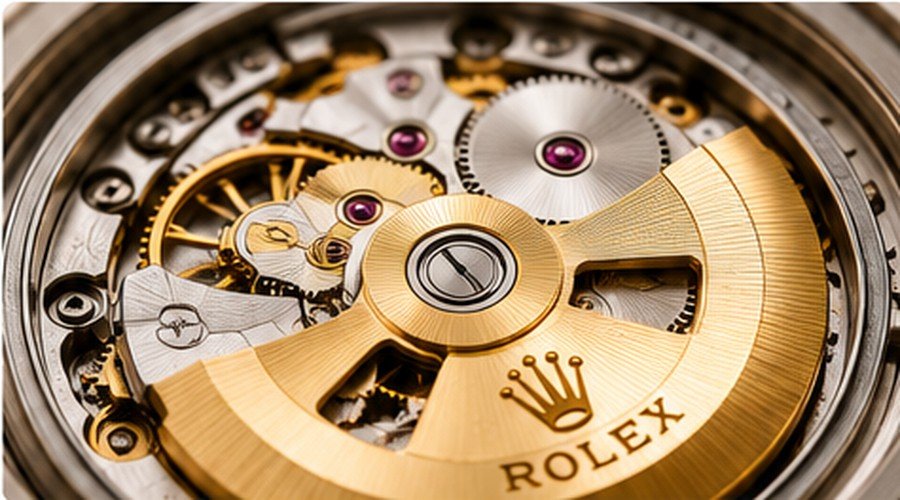
A mechanical watch measures time with a spring-powered movement. The mainspring stores energy, a gear train carries it through the movement, and the escapement and regulating parts control its release. The hands turn as that measured energy reaches the display.
Manual winding and automatic winding
In a manually wound watch, the wearer turns the crown to wind the mainspring. An automatic movement adds a rotor that turns with the movement of the wrist and winds the spring. Both are mechanical systems; the winding method is the distinction.
What this means when choosing a watch
Consider how you plan to wear and set the watch, whether you enjoy the ritual of winding, and the functions you need. A movement’s specifications and setting instructions vary by model, so consult the product details and the maker’s manual for the exact reference.
This guide is introductory and does not assess the accuracy, service condition or performance of any particular watch.
Further reading: Fondation Haute Horlogerie: How does a mechanical watch work?.